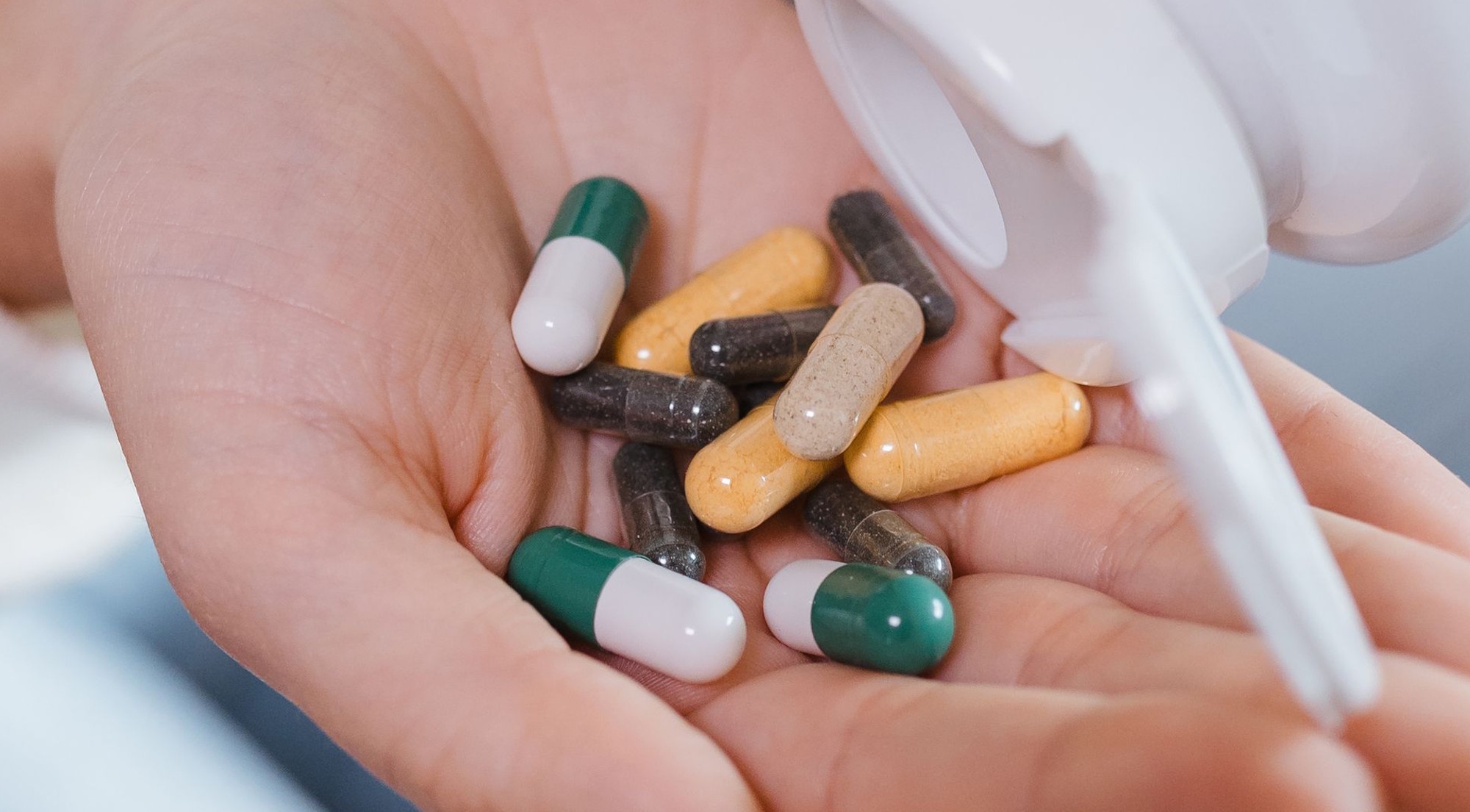
July 2026 saw the launch of the Wegovy weight loss pill in the UK, offering people a new way to take GLP-1 medication. Instead of a weekly injection, users can now take a daily tablet to support their weight loss journey.
But how much weight can you realistically expect to lose on weight loss pills? And how do the results compare with weight loss injections and more traditional approaches such as structured diet programmes?
Here's what the latest evidence tells us.
What is the Wegovy weight loss pill?
The Wegovy weight loss pill is a prescribed daily oral tablet containing the same active ingredient as the Wegovy weight loss injection: semaglutide. Like the injection, it's a GLP-1 receptor agonist that works by mimicking the GLP-1 hormone, helping to reduce appetite, increase feelings of fullness and slow digestion.
Because the tablet is absorbed through the digestive system rather than being injected directly into the bloodstream, a higher dose is required to achieve a similar effect.
The biggest difference between the two is how the medication is taken:
-
Weight loss injections are taken once a week into the abdomen, thigh or upper arm.
-
Weight loss pills are taken once a day with no more than 120ml of water after at least eight hours without food. Users must then wait 30 minutes before eating, drinking or taking any other medication.
How quickly do weight loss pills work?
Early research suggests many people begin noticing reduced appetite within the first two to three weeks of taking the Wegovy pill. However, significant weight loss usually takes longer.
One study found meaningful weight loss became apparent after around four months, with the greatest reductions occurring between months three and 10. Individual results will vary depending on factors such as your starting weight, diet, physical activity and how consistently you take the medication. Following a balanced diet and staying physically active can help maximise your results.
How much weight can you lose on weight loss pills vs injections?
If you're wondering how effective weight loss pills are, the clinical evidence provides a useful indication of the results you might expect. Although the research is still relatively new and the studies can't be compared directly, early findings are as followed:
Weight loss method |
Duration |
Average weight lost |
|---|---|---|
|
|
|
|
|
|
|
|
|
|
|
|
|
|
|
|
There have been no head-to-head clinical trials comparing the Wegovy pill with the injection, so these studies shouldn't be directly compared.
It’s also difficult to compare weight loss pills directly with injections because the strongest results so far come from a 50mg tablet, which is double the 25mg maintenance dose approved in the UK.
Treatment starts at 1.5mg once a day before gradually increasing to 4mg, 9mg and finally 25mg, with at least one month at each dose. This gradual increase helps the body adjust and can reduce side effects such as nausea and vomiting. As a result, weight loss may be slower during the first few months. However, there is not yet enough reliable data to say how much weight people taking the approved 25mg dose can expect to lose between weeks eight and 26.
The pill is approved for eligible adults alongside a reduced-calorie diet and increased physical activity. It is currently expected to be available mainly through private prescriptions, while NHS access will depend on a future NICE assessment.
Do weight loss pills work as well as injections?
As seen above, current evidence suggests weight loss injections may produce slightly greater weight loss than the Wegovy pill. However, the injectable form has also been studied for longer, meaning there is currently a larger body of clinical evidence showing its long-term results.
As further research into the Wegovy pill becomes available, our understanding of how the two compare will continue to evolve.
What affects how much weight you lose on weight loss pills?
Weight loss pills can be highly effective, but no two people will achieve exactly the same results. How much weight you lose depends on a range of factors, including your starting weight, the dose you're prescribed and how consistently you take the medication.
Your lifestyle also plays an important role. While GLP-1 medications such as the Wegovy pill help reduce appetite and make it easier to eat less, maintaining a balanced diet, prioritising protein and fibre and staying physically active can all help improve your weight loss results.
It's also important to remember that weight loss medications are designed to work alongside healthy lifestyle changes, not replace them. People who use the medication as part of a wider weight management plan, including improving their eating habits and increasing their activity levels, are more likely to achieve successful long-term results than those who rely on medication alone.
What happens if you stop taking weight loss pills?
One of the biggest challenges with GLP-1 medications isn't losing weight, it's maintaining it after treatment ends.
Research suggests that more than half of people taking weight loss medications discontinue treatment within the first year, this is often due to the cost or side effects. A review of the research by the University of Oxford showed that, on average, users regain all of the weight they lost within 18 months of stopping treatment, and there's little reason to believe the new weight loss pills will be any different.
Research from Oxford also suggests weight regain happens faster after stopping GLP-1 medications than after conventional dieting.
Discover more information about what happens after you stop taking GLP-1 medications in our previous blog.
What are the alternative weight loss solutions to pills?
Weight loss pills such as the Wegovy pill can be highly effective at reducing appetite and supporting weight loss, but they only work for as long as they're taken. Without addressing the eating habits and behaviours that contributed to weight gain, many people return to their previous routines once treatment ends. While losing weight is an important first step, maintaining those results requires education, nutritional guidance, accountability and ongoing support.
Programmes such as The 1:1 Diet are designed to provide that support. Alongside nutritionally complete meal plans, one-to-one Consultant guidance helps people understand the emotional and behavioural factors behind their eating habits, build healthier routines and develop the skills needed to maintain their weight long after active weight loss has ended.
Clinical trials have shown weight loss medications can help people lose an average of around 1.5 stone over 20 weeks. By comparison, structured low-calorie programmes such as The 1:1 Diet can help people lose between 1.5 and three stone in as little as eight to 12 weeks.
Need one-to-one weight loss support?
Whether you're considering weight loss medication, looking to maintain your results or simply want a more sustainable approach, The 1:1 Diet offers personalised support every step of the way, and is backed by 40 years of scientific research.
With one-to-one guidance from a trained Consultant, nutritionally complete meal plans and tailored behaviour change support, you'll build the knowledge, confidence and healthy habits needed to achieve lasting weight loss, not just short-term results.
We've already helped millions of people across the world lose weight in a safe and sustainable way, so why not start your journey today.