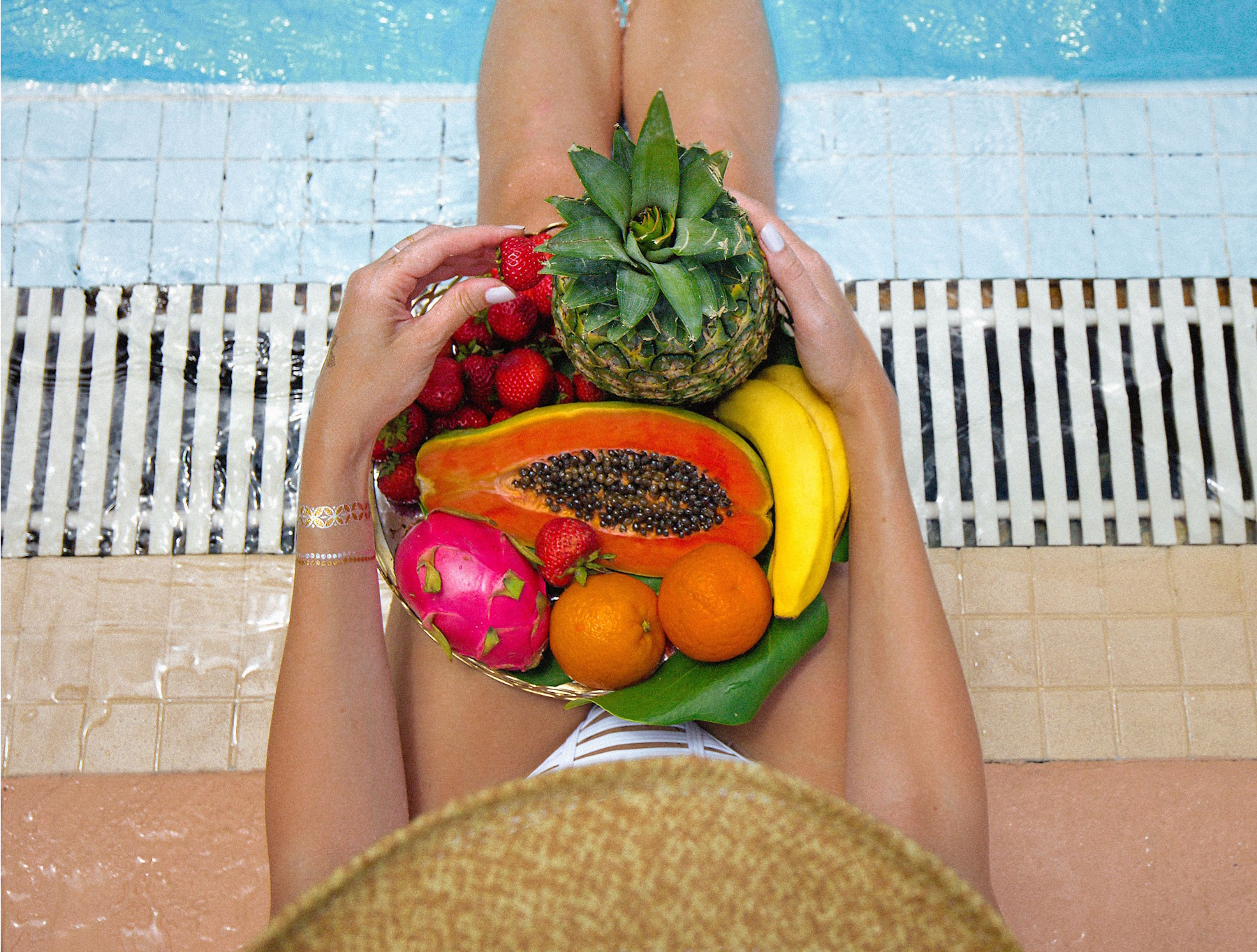
It's easy for healthy eating habits to slip during the summer holidays. Your usual routine may change, particularly if you have children, while holidays abroad, barbecues and more time spent socialising can all influence what and when you eat.
As summer comes to an end, you may be wondering: “How do I get back on track with dieting after summer?”
Before turning to a strict post-holiday cleanse or detox diet, remember that there is a more realistic way forward. By rebuilding healthy habits gradually and following a structured diet plan that prioritises balanced nutrition, you can work towards sustainable results without punishing yourself for enjoying the summer.
Why it's so easy to fall off track over the summer holidays
Much like Christmas, the summer holidays can interrupt the routines that usually support your healthy habits. With no school run, more time away from work, longer days and all-inclusive holidays, it is easy to lose your usual daily structure.
That is completely normal. Summer is a time to enjoy yourself and spend time with friends and family, so there is no need to feel guilty about relaxing your routine.
However, you may have spent the past few weeks waking up later, eating at different times, dining out more often or enjoying a few more alcoholic drinks than usual. Travelling and trying different cuisines can also affect your eating and sleeping patterns.
The good news is that getting back on your diet after the holidays does not have to feel overwhelming. A few realistic changes, combined with the right plan and support, can help you rebuild your routine.
Tips for getting back on your diet after the holidays
You can get back on your diet after the holidays by letting go of guilt, setting realistic goals and gradually rebuilding habits around food, movement, hydration and sleep.
There is no need to compensate for your summer by following an extremely restrictive plan. Instead, focus on the small, manageable actions that will help you feel more in control of your health.
Eat mindfully
Mindful eating involves paying closer attention to what you eat, how you feel and your body’s hunger and fullness signals.
Rather than eating on autopilot or while distracted, take time to notice the taste, texture and smell of your food. Eating more slowly can also give you a better opportunity to recognise when you are comfortably full.
Mindful eating is not about judging your food choices. It is about becoming more aware of your habits and understanding what your body needs.
Move more
You do not have to start an intense gym routine to become more active. Small amounts of movement throughout the day can quickly add up.
Try parking slightly further away from the shops, getting off the bus one stop earlier or combining a coffee with a walk when meeting a friend. Choose activities that fit naturally into your routine and that you are likely to continue; this way, it becomes easier to build habits.
Prioritise protein
Including protein in your meals can help you maintain muscle mass and feel fuller for longer as part of a balanced diet.
Protein requirements vary depending on factors such as your weight, activity levels and overall health. Rather than aiming for the same amount at every meal, focus on incorporating an appropriate source of protein into your plan.
Get your sleep back on track
Holidays, travelling and late summer evenings can all disrupt your usual sleeping pattern. Poor sleep may affect your appetite, energy levels and motivation, making it more difficult to follow healthy routines.
Try returning to consistent sleeping and waking times, reducing screen use before bed and limiting caffeine later in the day.
To learn more about the relationship between sleep and weight, read our guide to sleep and weight loss.
Keep hydrated
If you have been drinking more alcohol or sugary drinks over the summer, start replacing some of them with water or other suitable low-calorie options.
Staying hydrated supports your body’s normal functions and may help you distinguish thirst from hunger. Keep a water bottle nearby and drink regularly throughout the day.
Cutting back on alcohol may also help you manage your calorie intake and improve your sleep.
Seek expert support
Successful long-term weight management is about more than reducing your calorie intake. It also involves understanding your eating habits, creating healthier routines and learning how to maintain your progress.
The 1:1 Diet combines nutritionally balanced meal plans with personal support from a dedicated Consultant. Your Consultant can help you identify the emotional and behavioural factors that influence your eating while offering the encouragement, knowledge and accountability you need to make lasting changes.
Do you really need an after-holiday detox diet?
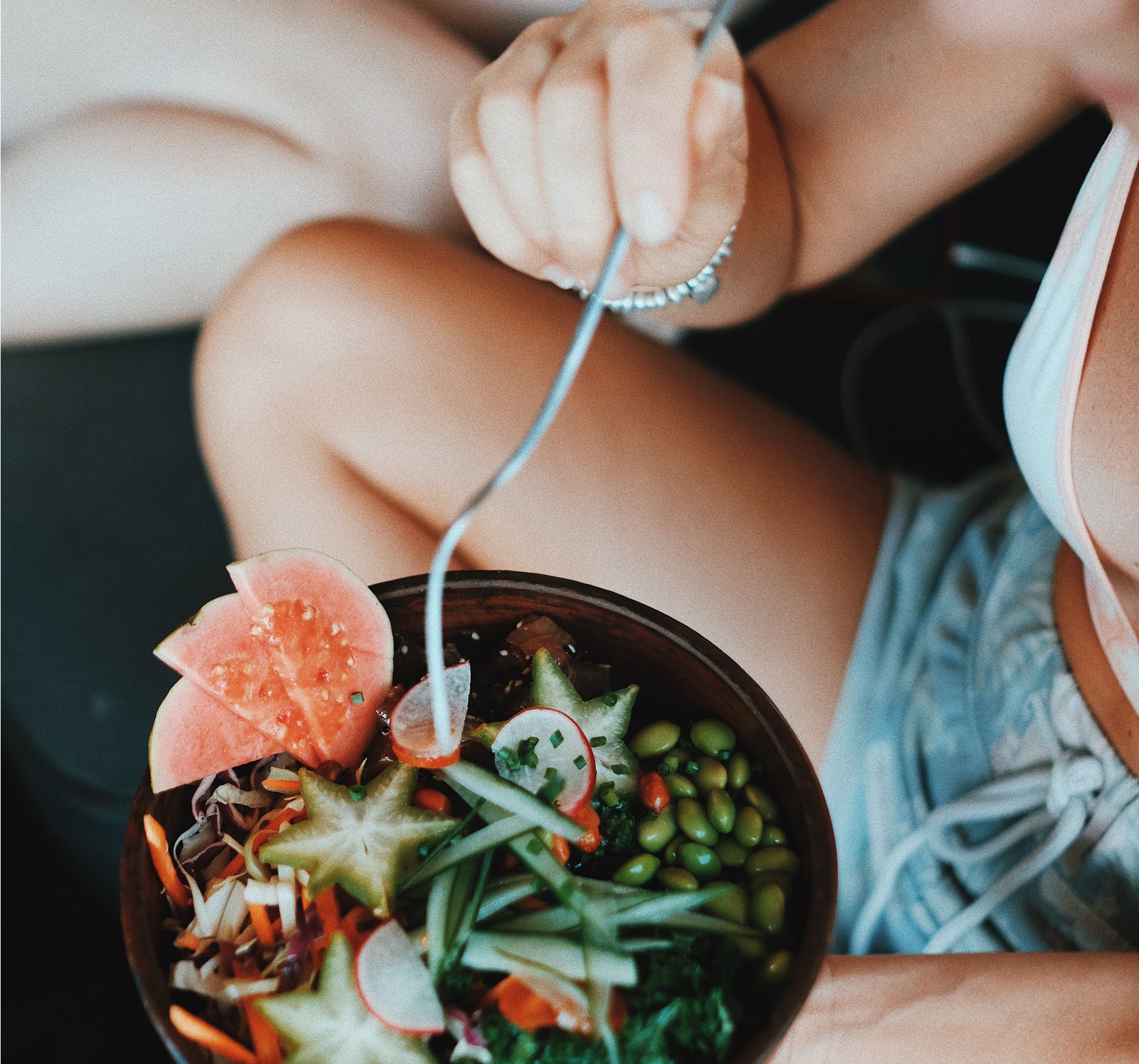
No, you do not need a harsh after-holiday detox diet. Your liver and kidneys already work to process and remove waste from your body, so a period of eating or drinking more than usual does not need to be followed by an extreme cleanse or expensive detox product.
A highly restrictive after-holiday diet may also be difficult to maintain. Instead, focus on restoring regular mealtimes, drinking enough water, getting more sleep and following a nutritionally balanced plan.
Sustainable habits are more likely to help you get back on track with your diet after summer than a short-term detox.
A realistic post-holiday cleanse diet that actually works
If you are searching for a post-holiday cleanse diet, what you may really need is an opportunity to reset your routine.
The 1:1 Diet offers a structured and personalised approach, with trained Consultants providing guidance, motivation and accountability throughout your journey. Many Consultants have followed the Plan themselves, so they understand the challenges of losing weight and building healthier habits.
Rather than tackling post-summer weight gain alone, you will receive one-to-one support and a plan tailored to your goals and lifestyle.
Ready to get your diet back on track after the holidays? Find your local Consultant and start your journey with The 1:1 Diet today.