The festive season is a time for celebration, food and family – but it’s also the period when many of us worry about Christmas weight gain. With indulgent meals, sweet treats and a few extra glasses of fizz, it can feel like your usual diet goes out the window.
The good news? You can absolutely enjoy Christmas without undoing your healthy habits. So, if you’ve ever wondered how much weight people gain over Christmas or whether it’s normal to put on a little over the festive season, read on for our top tips to stay on track while still embracing all the celebrations.
What causes weight gain during Christmas
Christmas is naturally a time to indulge – whether it’s catching up with friends, enjoying a festive meal with family or sneaking in a chocolate treat or two at work parties.
During this period, your normal routine often changes, which can make it tricky to stick to your diet goals and may contribute to weight gain over Christmas.
How much weight do people gain over Christmas?
Research shows that the average person gains around one to two pounds between Christmas and New Year. Of course, this is just an average – some people gain little or no weight, while others may gain more.
Weight gain is an individual experience, so it’s important not to compare yourself to others. Instead, focus on creating a festive routine that works for you.
Is it normal to gain weight at Christmas?
Yes – it’s perfectly normal. During the festive season, most people eat a little more and move a little less. Social events, late nights, disrupted sleep and the stress of the holidays all contribute.
While a small weight increase is expected, there are plenty of ways to enjoy Christmas without taking a step back in your health journey.
Tips on how to avoid Christmas weight gain
Our expert nutritionist, Mark Gilbert, shares his top tips for balancing indulgence with your diet over Christmas.
Tip 1: Meal planning
Plan for the whole festive season, not just Christmas Day. When it comes to your shopping for meals and food, make a detailed list to avoid any impulse buys. For your Christmas meal, focus on high-protein meat and colourful vegetables, and reduce emphasis on carbs like potatoes. Try to ‘front load’ your protein first – such as turkey and those irresistible pigs in blankets – as they will trigger your fullness much more effectively.
Opt for healthier cooking methods such as roasting or steaming instead of frying. For dessert, choose lighter options like fruit-based recipes – indulgence doesn’t have to mean overdoing it.
Tip 2: Control portion sizes
Overindulgence is easy during the holidays – extra helpings, cocktails, chocolates – but the calories quickly add up, so moderation is key.
Before reaching for another serving, ask yourself: “Am I really hungry, or just eating because it’s there?” Use a smaller plate, eat slowly, chew thoroughly and give your brain time to register fullness.
Tip 3: Lower-calorie alternatives
Small swaps can make a big difference without compromising flavour:
- Use sugar-free syrups to save calories.
- Choose low-fat cheese in cauliflower cheese.
- Replace butter in stuffing with vegetable stock.
- Use spray oil for roasting meats and choose lean cuts.
These simple changes help reduce calories while keeping meals tasty.
Tip 4: Get moving
It’s easy to fall out of your gym or exercise routine when life gets busy over Christmas, but there are still plenty of ways to stay active without it feeling like a chore. Turn your coffee catch-up into a walk instead, blast some music and have a dance with family and friends, or head out for an evening walk to admire the Christmas lights together. By keeping movement fun and flexible, you’ll help manage stress, stay energised and keep your fitness on track throughout the festivities.
Our bonus top tip? Try to do some exercise before your meals. If you don’t have impediments, consider intense exercise if you can. This burns the sugar stored in your muscles and frees up room to store all those extra carbs back in the muscles.
Gentle exercise, such as walking, after your meals also helps to steady your blood sugar levels, minimising the negative effects of overeating, as well as aiding digestion.
Tip 5: Stay hydrated
Drinking plenty of water helps you feel full, curb cravings and manage alcohol intake. Try to avoid alcohol where you can, as this can cause disinhibition – also known as uncontrolled eating.
Tip 6: Prioritise sleep
Holiday stress, late-night parties and disrupted routines can affect hormones like cortisol, which influence appetite and weight. Aim for seven to nine hours of sleep per night to support your health and your diet.
Tip 4: Be kind to yourself
Most importantly, be kind to yourself over this period, and recognise that it is hard to stay on track during the festive season. Avoid feelings of guilt or overwhelm and instead focus on small changes that allow you to enjoy food and time with loved ones. One or two days of indulgence won’t undo your long-term progress – simply return to healthy habits the next day.
For more tips on weight loss during the festive season, read our full 23 tips here.
Our pick of the top low-calorie Christmas recipes
Looking for inspiration for your festive menu? Here are our 2025 favourites:
- Healthy turkey roast inner with mashed roots: say yes to a delicious roast this year with our meal that serves six, with just 510 calories per serving.
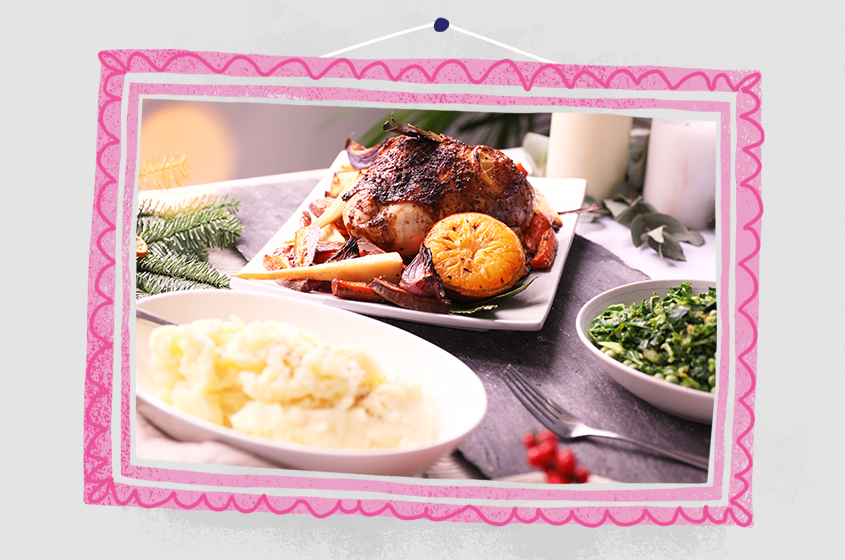
- Roast turkey traybake: looking for an even healthier option? Try this traybake with all the trimmings for just 400 calories per serving.
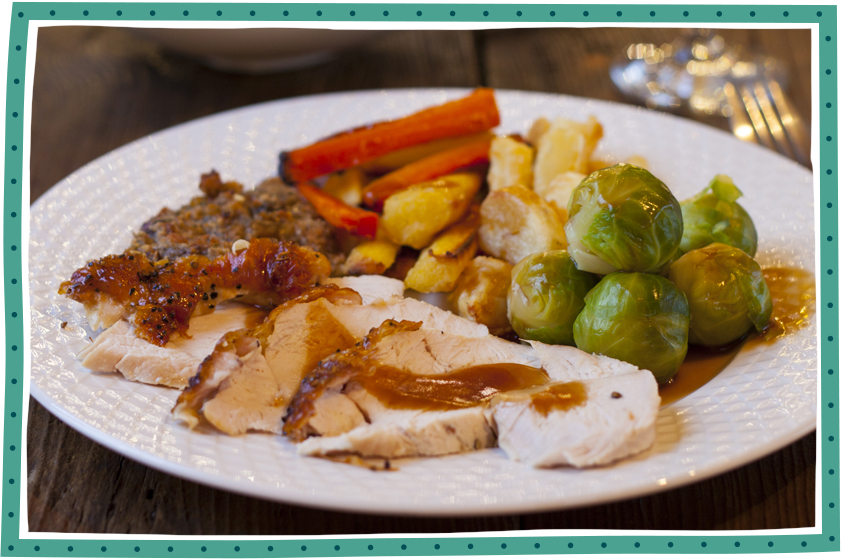
- Festive frozen bake: who doesn’t look a sweet treat during the holiday? Enjoy the delicious taste of chocolate with none of the guilt with this low-calorie recipe.

Speak to one of our Consultants for additional advice on Christmas weight gain
We know the festive season can be tricky for anyone trying to manage their diet. Our 1:1 Diet Consultants provide personalised support and expert guidance to help you avoid Christmas weight gain while still enjoying the celebrations.