For many women, perimenopause and menopause can feel like a time of significant change. Fluctuating and falling hormone levels can bring hot flushes, mood changes, disrupted sleep and heart palpitations.
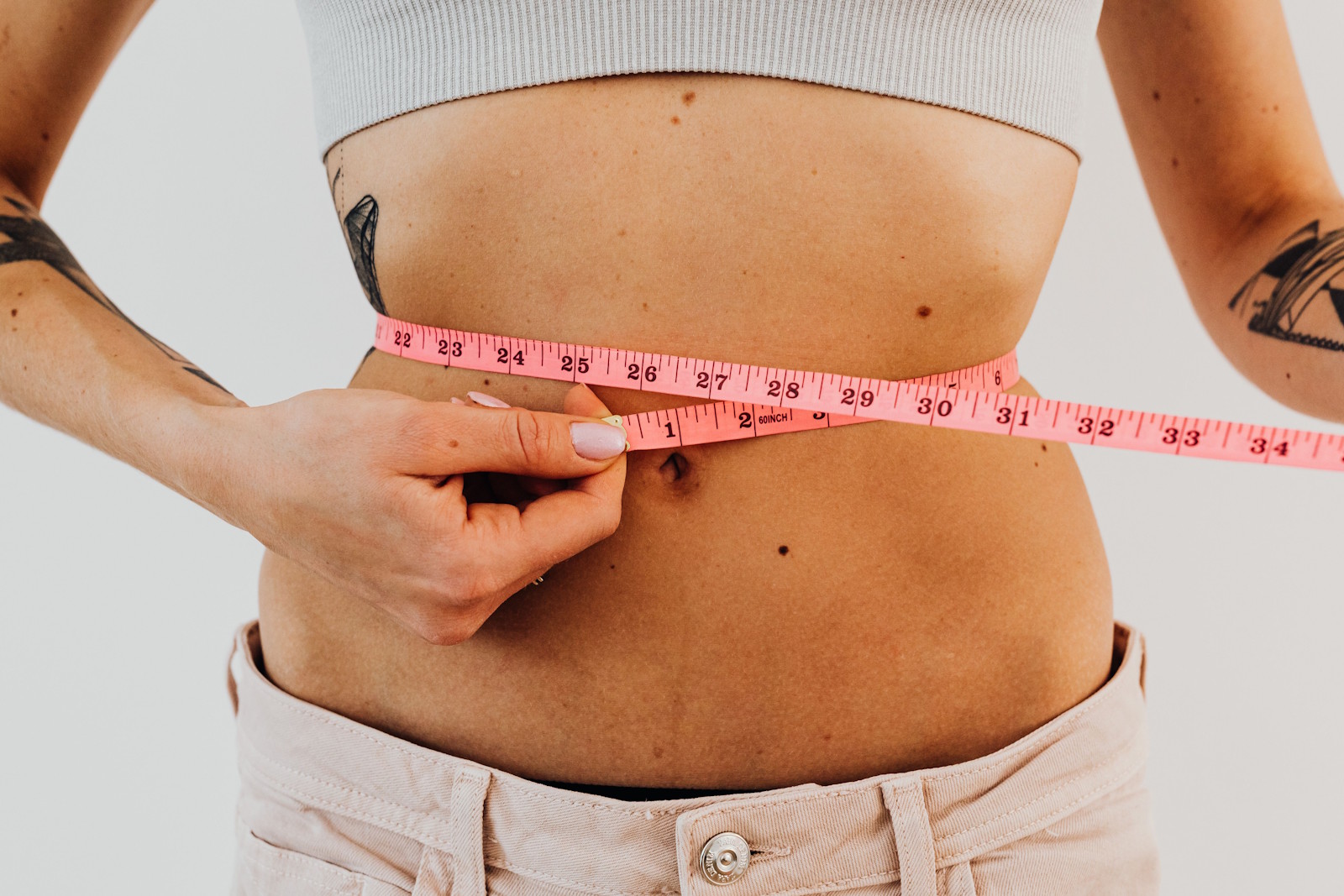
Menopause weight gain is another common concern. Women may particularly notice more fat around the stomach, although hormonal changes are only part of the picture. Ageing, reduced muscle mass, sleep and activity levels can all contribute.
At The 1:1 Diet, registered nutritionist Mark Gilbert explores why weight can change during menopause, what visceral fat means for long-term health and how supported weight loss may help.
Why can weight change during menopause?
During the menopause transition, oestrogen levels decline. Although menopause does not automatically cause weight gain, this hormonal change can influence where the body stores fat, shifting it from the hips and thighs towards the abdomen.
Ageing also brings a gradual loss of muscle mass, which can reduce the number of calories the body needs. Poor sleep, sometimes made worse by hot flushes and night sweats, may also affect appetite, food choices and motivation to stay active.
Together, these factors can make weight management feel more difficult and alter body composition, even without a dramatic change on the scales.
What is visceral fat?
Not all body fat is stored in the same place. Subcutaneous fat sits beneath the skin, while visceral fat is stored deeper inside the abdomen, surrounding organs such as the liver and pancreas.
Research has linked menopause with a shift towards central fat storage. Higher levels of visceral fat are associated with insulin resistance, raised blood pressure and cardiovascular disease. This does not mean it directly causes every condition, but it is an important marker of metabolic health.
Menopause, visceral fat and heart health
Cardiovascular risk rises with age, while declining oestrogen may affect cholesterol, blood vessels and fat distribution, increasing the risk further. Visceral fat is also associated with inflammation and metabolic changes.
Fat can accumulate around the heart too. Known as epicardial fat, it is distinct from abdominal visceral fat, although the two are related. Excess levels have been associated with coronary heart disease and atrial fibrillation. This specific type of palpitation can have many causes, so anyone experiencing new or persistent symptoms should seek medical advice.
What does the research show?
The DROPLET randomised controlled trial, using The 1:1 Diet, compared a low-energy total diet replacement programme with usual weight-management support in 278 adults living with obesity. After one year, those in the total diet replacement group had lost an average of about 1 stone and ten pounds, compared with under half a stone in the usual-care group. They also experienced greater improvements in several measures of cardiovascular and metabolic risk.
The study was not conducted specifically in menopausal women, but it demonstrates how supported weight loss can improve health markers relevant during midlife.
Menopause, metabolic syndrome and type 2 diabetes
Metabolic syndrome describes connected risk factors, including central obesity, raised blood pressure, high blood glucose and abnormal blood-fat levels. Together, they increase the risk of cardiovascular disease and type 2 diabetes.
Visceral fat is closely linked with insulin resistance, in which the body's cells do not respond as effectively to insulin. Specifically, the reduction of fat stored in the liver and pancreas were shown in the DiRECT trial to reverse type-2 diabetes in almost half of the participants so that they achieved normal, healthy blood sugar.
This landmark trial investigated our weight-management programme for people with type 2 diabetes. It included a formula total diet replacement phase, followed by structured food reintroduction and ongoing support. After one year, 46% of participants in the intervention group achieved diabetes remission, rising to 86% among those who lost at least 15kg.
These findings show that substantial weight loss can help some people restore healthier blood glucose levels.
Menopause and fatty liver disease
Menopause and excess abdominal fat are also associated with a greater risk of metabolic dysfunction-associated steatotic liver disease, or MASLD, previously called non-alcoholic fatty liver disease.
MASLD occurs when excess fat builds up in the liver. Research from DiRECT found that weight loss reduced liver fat among participants, supporting evidence that meaningful weight loss can improve liver health.
How can menopause affect sleep and weight?
Sleep and weight can influence each other. Menopause symptoms may interrupt sleep, while tiredness can affect hunger, food choices and activity. Excess fat around the tongue and throat is also associated with obstructive sleep apnoea, which repeatedly interrupts breathing. Weight loss may help some people, but the condition requires clinical assessment. In fact The 1:1 Diet has shown a substantial beneficial effect on improving sleep in severe sleep apnoea patients.
Can The 1:1 Diet support weight loss during menopause?
Losing weight during menopause can feel more challenging, but you do not have to navigate it alone. Research across wider populations shows that supported weight loss can improve health measures such as blood pressure, blood glucose and liver fat.
The 1:1 Diet combines nutritionally complete meal-replacement products with one-to-one support from your own Consultant. They will provide structure, encouragement and practical guidance throughout your weight loss journey and as you work to maintain your progress.
Ready to manage your menopause weight gain?
Menopause can affect where your body stores fat and make managing your weight feel more difficult. However, meaningful weight loss may help reduce visceral fat, which surrounds the organs, and support several important measures of health.
A balanced diet, regular movement, resistance exercise and healthy sleep habits can all make a difference. A structured weight loss programme with personalised support can also help you work towards realistic, sustainable goals during menopause and beyond. Many of our Consultants are women who have experienced menopause themselves, so they may understand some of the challenges you are facing.