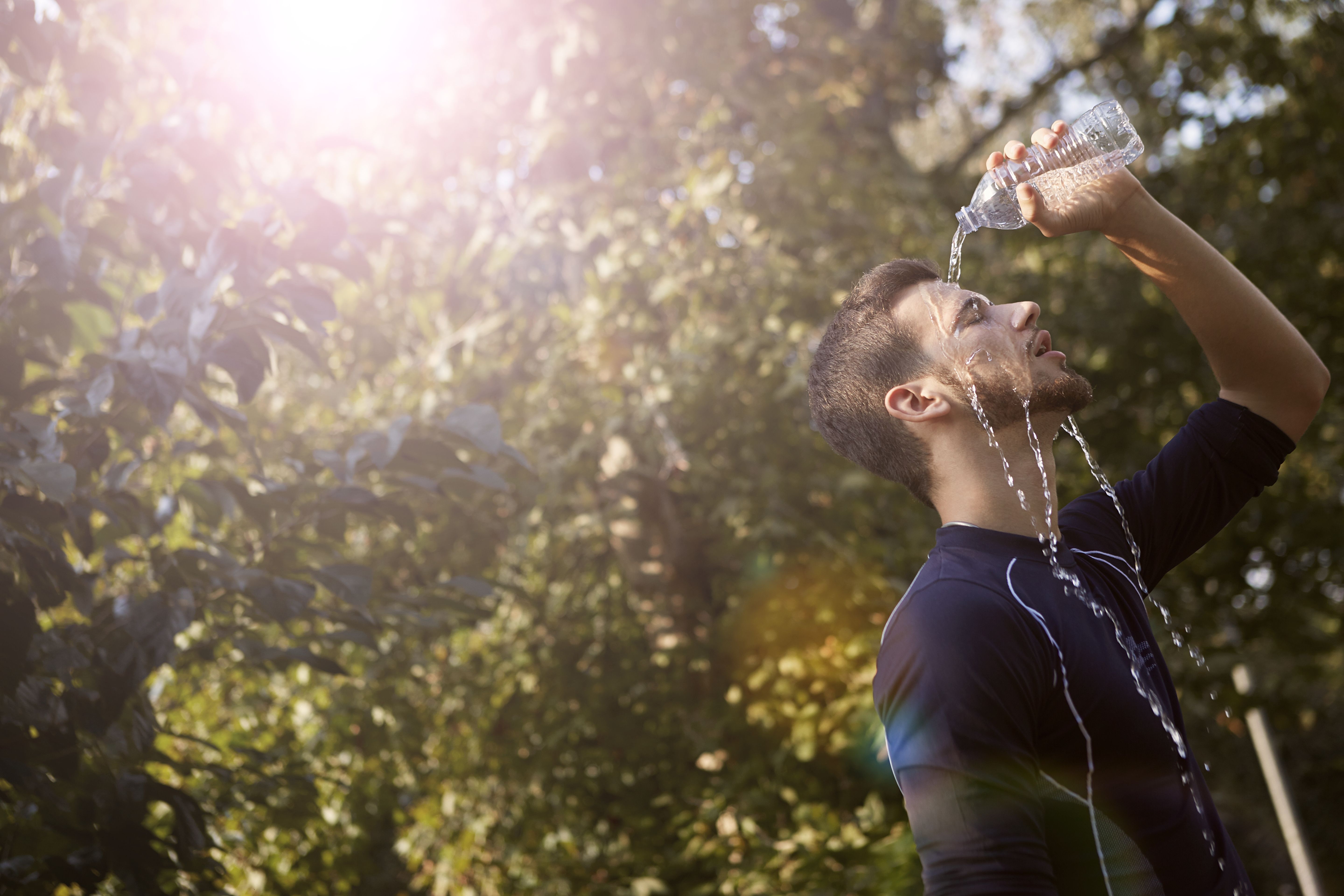
Warmer weather, family BBQs, lighter evenings and more time spent outdoors make summer many people’s favourite season. However, with heatwaves becoming more frequent and more intense, rising temperatures can also increase the risk of heat-related illnesses, including heat exhaustion and heatstroke.
Our expert nutritionist who has over 30 years of experience, Mark Gilbert, explains what heat stress is, the common heat stress symptoms to look out for and why carrying excess body fat may increase your risk during periods of hot weather.
What is heat stress?
Heat stress occurs when the body's temperature regulation system struggles to keep up and can no longer cool itself effectively.
Normally, the body maintains a core temperature of around 37°C. When we become too warm, natural cooling mechanisms such as sweating help regulate our temperature. However, when temperatures rise above our core body temperature, these mechanisms become less effective and heat stress can develop.
Stress and heat can place significant strain on the body. In mild cases, this may lead to heat exhaustion, which can usually be treated without medical intervention if the person is cooled down within 30 minutes. If left untreated, however, heat exhaustion can progress to heatstroke, which is a medical emergency.
Heatstroke is one of the most serious heat-related illnesses and requires immediate treatment to prevent potentially life-threatening complications.
What are the symptoms of heat stress?
One of the most common questions people ask is, "What are signs of heat stress?".
Heat stress symptoms can vary from mild discomfort to severe and potentially life-threatening conditions. As the body's core temperature rises, symptoms can progress from heat exhaustion to heatstroke.
Heat exhaustion symptoms
Heat exhaustion is caused by excessive fluid and salt loss and typically occurs after prolonged exposure to hot conditions. Body temperature can rise to around 40°C. In most cases, symptoms improve within 30 minutes with appropriate cooling and hydration.
Common heat stress symptoms include:
- Heavy sweating
- Clammy skin
- Dizziness
- Fatigue
- Headache
- Nausea or vomiting
- Muscle cramps
- An increased heart rate
- Intense thirst
Heatstroke symptoms include:
Heatstroke is the most severe form of heat stress and requires urgent medical attention.
Warning signs include:
- Confusion
- Slurred speech
- Hot skin that may be dry or sweaty
- A rapid heart rate
- Severe headache
- Nausea or vomiting
- Rapid breathing
- Seizures
If you or someone around you experiences these symptoms, seek emergency medical assistance immediately.
How long does heat stress last?
How long heat stress lasts depends on its severity. Mild heat exhaustion can often improve within 30 minutes if the individual moves to a cool place, rests and rehydrates.
More severe cases, particularly heatstroke, require urgent medical treatment and recovery may take several days or even weeks. Prompt action is essential to prevent complications.
How does weight affect heat stress?
Obesity can increase a person’s susceptibility to heat stress, with studies showing that people who are overweight are more likely to experience heat-related illness. Research from 2018 found a strong association between body temperature and obesity markers in men and postmenopausal women, highlighting the link between excess weight and the body’s ability to regulate heat.
One reason for this increased risk is that body fat acts as an insulator. Adipose tissue is a poor conductor of heat, meaning it traps heat within the body and reduces the effectiveness of natural cooling mechanisms. As a result, people with obesity may have a lower tolerance to high temperatures and face a greater risk of conditions such as heat exhaustion and heatstroke during heatwaves.
Excess weight can also place additional strain on the cardiovascular system. High temperatures cause blood vessels to widen to help the body release heat, requiring the heart to work harder to circulate blood. In people who are overweight or obese, this added demand is compounded by underlying health conditions such as diabetes and cardiovascular disease, increasing the likelihood of heat-related complications.
How to avoid or manage heat stress
Understanding how to avoid heat stress and how to manage heat stress is particularly important during periods of extreme heat.
To reduce your risk:
- Stay hydrated by drinking plenty of water and fluids.
- Seek shade and avoid direct sunlight during the hottest part of the day.
- Limit alcohol and caffeine, as both can contribute to dehydration.
- Reduce strenuous physical activity, which generates additional body heat.
- Wear the right clothing - light-colored, loose-fitting and breathable.
How to treat heat stress
If you begin experiencing symptoms of heat exhaustion:
- Move to a cool place.
- Remove unnecessary clothing.
- Drink cool water or sports drinks.
- Apply cool packs or use a fan.
- Rest until symptoms improve.
If symptoms do not improve within 30 minutes or worsen, seek medical attention immediately, as heatstroke requires emergency treatment.
By taking these steps, individuals with obesity can reduce their risk of heat-related illnesses and stay safe during heatwaves.
Become a healthier version of you this summer
If you're wondering how to avoid heat stress in the long term, achieving and maintaining a healthy weight may help improve the body's ability to regulate temperature and reduce the risk of heat-related illness.
The 1:1 Diet offers a personalised approach, with trained Consultants providing guidance, motivation and accountability at every stage. Many have been through the journey themselves, offering a level of understanding that goes beyond standard diet plans.
Combining scientifically developed meal plans with one-to-one support, The 1:1 Diet helps individuals build healthier habits and make informed choices throughout their weight-loss journey.
With the right structure and support, you can work towards a healthy and achievable weight while reducing the risk of obesity-related health concerns, including heat stress.
Find a Consultant today and take the first step towards a healthier lifestyle.