As the festive season fades into the background, January becomes a popular time to reset - whether that means starting a New Year weight loss journey, doing Dry January, or trying to move a little more. For many, New Year’s resolution weight loss is a top priority, yet it’s also one of the hardest goals to maintain.
So, how do you lose weight in January while still enjoying nourishing meals through the colder months? And more importantly, how do you stick to your New Year’s resolution so your weight loss is maintained throughout the year?
Our expert nutritionist, Mark Gilbert, shares his top evidence-based tips for healthy, sustainable weight loss for the New Year.
How to keep a New Year’s resolution for weight loss
If you’re planning to lose weight in the New Year, you’re not alone. In January 2025, 16% of Brits who made a resolution said their main aim was to lose weight. With the extra food, sugar and alcohol consumed over Christmas, it’s no surprise that many people look to January as a time to rebalance.
However, sticking to a resolution is another story. Only around a third of people report keeping their goals past the first few weeks of January. So, what makes the difference?
The key is consistency: turning your new behaviours into habits that you repeat day after day. This begins with building a realistic, convenient plan tailored to you – not a one-size-fits-all approach. When your strategy fits your lifestyle, your chances of success go up dramatically.
But where do you start?
1. Choose the right diet for you
When it comes to New Year’s resolution weight loss, diet matters more than anything else. But everyone’s body, lifestyle and preferences are different. Factors such as metabolism, genetics, health conditions and emotional triggers all influence how you respond to a particular plan.
You can give two people the same diet and one might thrive, while the other struggles. Even with expert guidance, ongoing support is often essential. Weight loss can plateau, emotional eating can creep in and old habits can resurface.
That’s why personalised diet counselling has been shown to produce better long-term outcomes. Plans like The 1:1 Diet focus on tailored support with a dedicated Consultant who checks in regularly, helps troubleshoot challenges and adapts the plan as you progress. This personalised approach makes sustainable weight loss far more achievable.
Choosing a diet that is nutritionally complete, backed by science and offers real human support is the best way to ensure your January motivation lasts all year.
2. Limit your portions, but not your food choices
Many diets rely on restriction, cutting out meals you enjoy. But losing weight doesn’t need to mean bland food or constant hunger.
With portion-controlled plans like The 1:1 Diet, you get low-calorie meals that provide all essential vitamins, minerals, protein, fat and carbohydrates in three to four servings per day. You stay in a calorie deficit without compromising nutrition – perfect for the winter months when your body needs more nutrient-dense foods.
Need January meal inspiration?
-
Try our tasty chicken satay noodle salad, prepped and cooked in just 25 minutes, with only 400 calories.

-
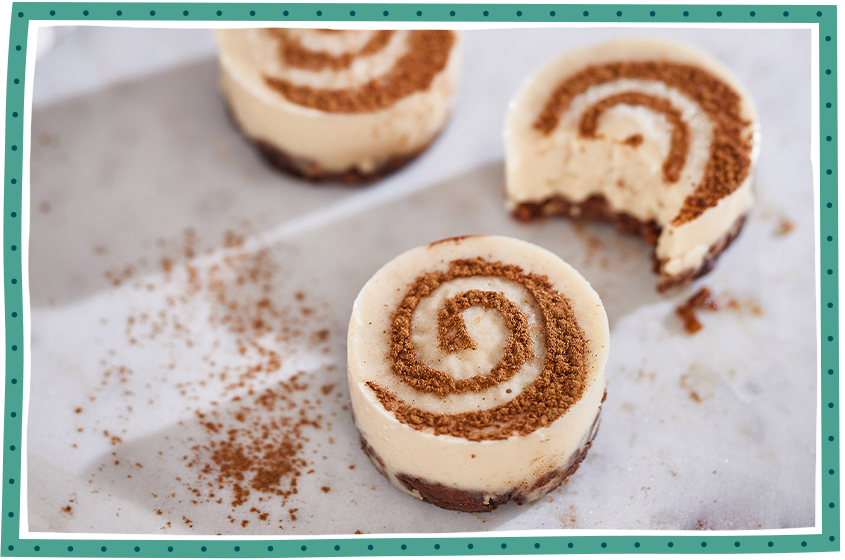
Fancy a sweet treat on a cold evening? Try our creamy New York cheesecake for just 216 calories per serving.
-
Want a burger with all the taste and none of the guilt? Our pulled jackfruit and coleslaw burgers are perfect for a weekend meal with only 400 calories, made in 40 minutes.

3. Prep your meals in advance
One of the biggest predictors of successful dieting is making healthy choices the easy choices. If you don’t have meals prepared and hunger hits, takeaway temptation becomes much harder to resist.
Start by clearing out processed, high-calorie foods from your cupboards. Then plan ahead:
-
Batch-cook low-calorie meals
-
Freeze portions for busy days
-
Keep healthy snacks and shakes on hand
-
Prep snacks for the week on Sundays
The goal is simple: ensure that the most convenient option is always the healthiest option.
4. Form new habits and stack them
Building long-term habits is essential for keeping your New Year’s resolution. One powerful method is habit stacking - linking a new behaviour to an existing one.
Try simple pairings like:
-
After my morning coffee, I’ll plan my meals for the day
-
After lunch, I’ll drink a full glass of water
-
While prepping food, I’ll listen to a favourite podcast
-
After dinner, I’ll log my meals to share with my Consultant
Small, consistent actions create lasting habits far better than sudden, dramatic changes.
5. Don’t be afraid to ask questions
Dieting is rarely straightforward. Hormones, timing and even hydration can influence the number on the scale. Weigh yourself at night or at the wrong point in your cycle and it’s easy to feel discouraged.
This is where support matters. The 1:1 Diet Consultants receive regular nutrition training, so they can answer common questions like:
-
Am I drinking enough water?
-
What can I do about cravings?
-
What triggers my overeating?
-
How often should I weigh myself?
-
How do I stay motivated when progress slows?
These questions are normal, and getting expert, science-backed answers help you stay committed.
6. Build a support network
Telling trusted friends, family or colleagues about your goals can make a huge difference. When the people around you understand what you’re aiming for, they can help reduce temptation and encourage healthier habits.
A supportive environment makes staying on track significantly easier, especially in the early weeks when you’re still forming new habits.
7. Add in exercise
Exercise offers amazing health benefits, but interestingly, it’s not the most effective tool for losing weight. Research shows that structured exercise plans only result in around one to two kilograms of weight loss over months.
However, exercise is extremely effective for maintaining weight loss. Studies of people who lost 30 pounds or more and kept it off long term show that nearly all of them exercise regularly.
Once your diet is on track, gradually add physical activity you enjoy. If you have a health condition, be sure to check with your doctor first. And remember: regular weighing – just like checking financials – helps keep you accountable and aware.
Does a January detox really work?
You may see lots of advice about “detoxing in January”, but many detox diets are misleading. True detoxification is handled naturally by the liver, and the biggest barriers are usually alcohol and overeating.
Some January detox diets cut foods like coffee, dairy or lean meat – foods that actually support liver health.
The most effective way to truly support detoxification is intelligent weight loss. Fat cells store toxins, so reducing body fat, especially liver fat, helps your body function more efficiently.
Low-calorie plans like The 1:1 Diet also stimulate autophagy, your body’s cellular clean-up process. This makes it one of the few approaches that can legitimately support the body’s natural detox mechanisms.
Do meal plans work for weight loss?
Studies on The 1:1 Diet, some lasting up to two years, show:
Rapid, early progress increases motivation and adherence, making the journey easier to stick to.
Resolutions in real life
Talk to an expert
Choose a local Consultant who can help you create a personalised diet tailored to your New Year weight loss goals and provide the products you need to get started.